Burst Pipe: What to Do Right Now
Shut the water off first, then call
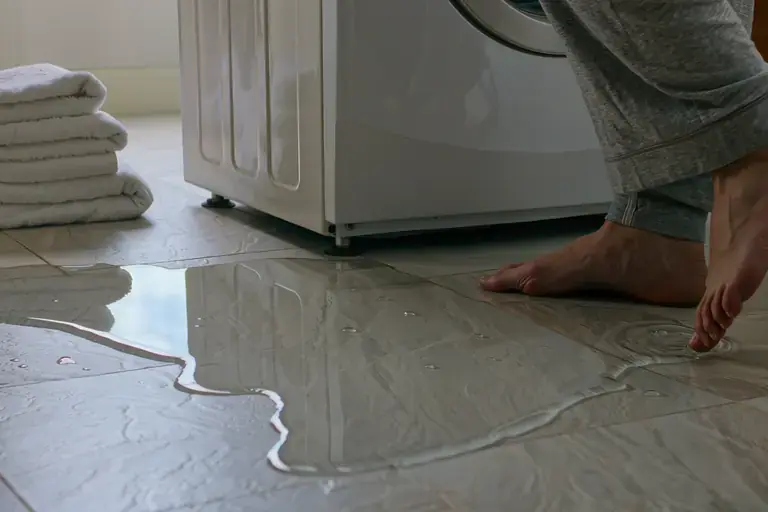
Do this now
- Shut off water at the main valve inside the house. No valve inside, or you can't reach it? Turn the water off at the shutoff by the meter box, usually near the street.
- Leave the faucets turned on after you shut the main off.
- If the break is in a hot water pipe, also close the valve on top of the water heater.
- Stay out of standing water that touches anything electrical. If wiring, outlets or appliances are wet or near the water, cut power at the main breaker, and if you would have to stand in water to reach the panel, stop and call an electrician instead.
- Move what you can, then start drying. Water-damaged areas and items should be dried within 24 to 48 hours to head off mold.
Can you fix it yourself?
Shutting off the water, leaving the faucets on and drying the room are all yours, and they matter more than speed-dialing anyone. The pipe repair itself means cutting out split pipe and joining new pipe under pressure, so for anything beyond a pinhole patch to limp through the night, have a licensed plumber do the permanent fix. If the burst followed a freeze, check every other faucet in the house, because if one pipe froze, others may have frozen too.
When to call a pro
- You can't find or can't turn the main shutoff
- The break is inside a wall, ceiling or slab, or you can't see where the water is coming from
- Water reached outlets, the panel or large appliances
- The line keeps leaking after the repair, or the pipe is old galvanized steel or polybutylene
We're a referral directory, not a contractor; this button opens our request form.
What to ask the plumber
- Are you licensed in Georgia, and what is your master plumber license number?
- Do you charge a flat trip or diagnostic fee after hours, and does it roll into the repair price?
- Will you repair the one break, or pressure-test and inspect for other damage while the system is open?
- Is the repair warrantied, and for how long?
Questions we hear
Where is my main water shutoff?
Georgia EPD's guidance is to use the main valve inside the house, and if there is none inside, to turn the water off at the main shutoff at the curb or near the water meter. The Metropolitan North Georgia Water Planning District says the same thing before a freeze: locate the whole-house shutoff and know how to turn the water off at the meter box. Find it on a calm day and make sure everyone in the house knows where it is and how to work it. Our main water shutoff guide goes through it by house type.
Why do pipes burst in Atlanta?
Freezes here are occasional rather than constant, so many metro Atlanta homes have plumbing in exterior walls and crawl spaces that a hard freeze can reach. Georgia EPD tells homeowners to be alert whenever outdoor temperatures threaten to drop into the 20 to 30 degree range. Pipes also fail without a freeze from age, corrosion and water pressure.
Sources
Every number and local fact above comes from one of these, read 2026/10. Spot something out of date? Tell us.
- Georgia Environmental Protection Division: Guidance to Homeowners for Preventing and Dealing With Frozen Water Pipes (rev. Feb. 2014)
- Metropolitan North Georgia Water Planning District: Freeze Ahead: Protect Your Pipes Now
- CDC: Guidelines for Cleaning Safely After a Disaster
- American Red Cross: Flood Safety
- U.S. EPA: A Brief Guide to Mold, Moisture and Your Home
- American Red Cross: Preventing and Thawing Frozen Pipes